In today’s world, property security is a top priority for homeowners, businesses, and facility managers alike. Traditional locks and keys are often no longer enough to safeguard your property from modern threats. That’s where access control systems come into play. These advanced security solutions allow property owners to manage who enters specific areas, monitor activity in real time, and prevent unauthorized access.
At Alpha Locksmith & Security, we understand how vital it is to protect your assets, employees, and loved ones. Understanding the top security risks that access control systems can prevent can help you make informed decisions about investing in this technology.
What is an Access Control System?
Definition and Purpose
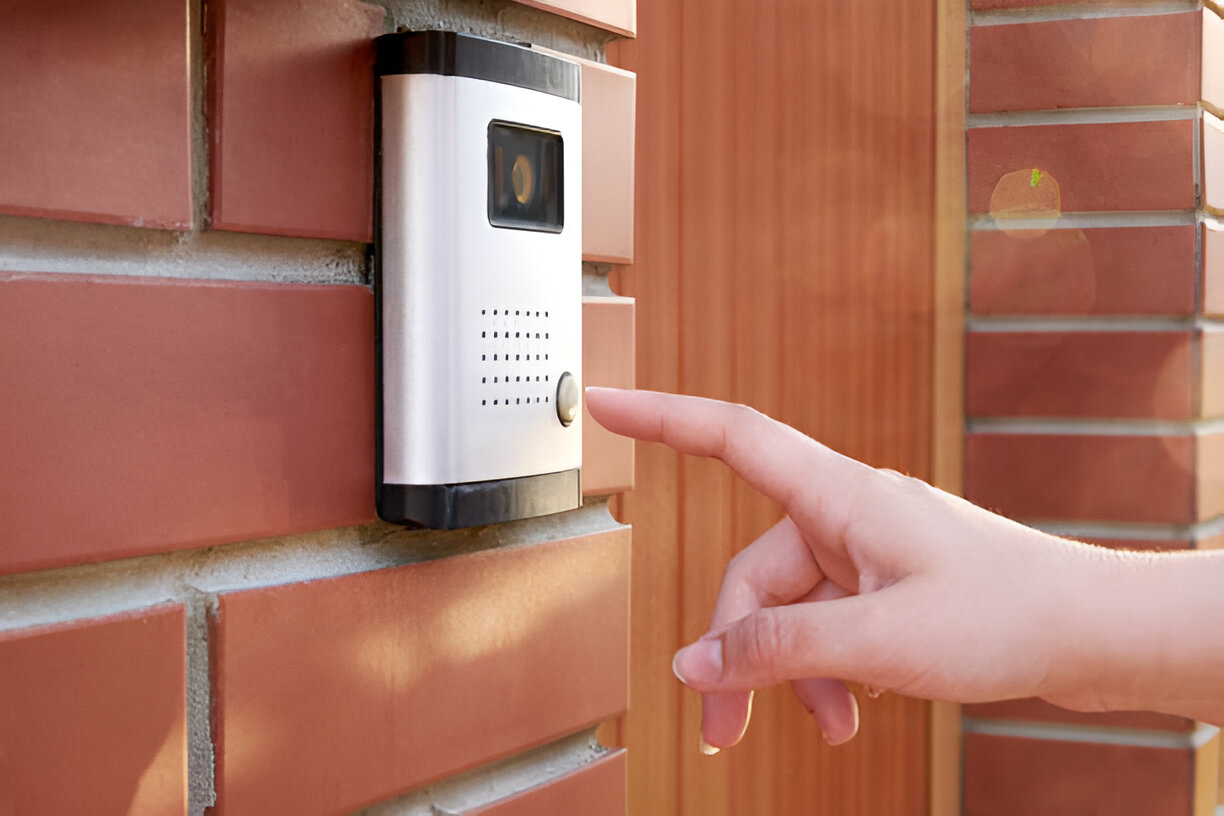
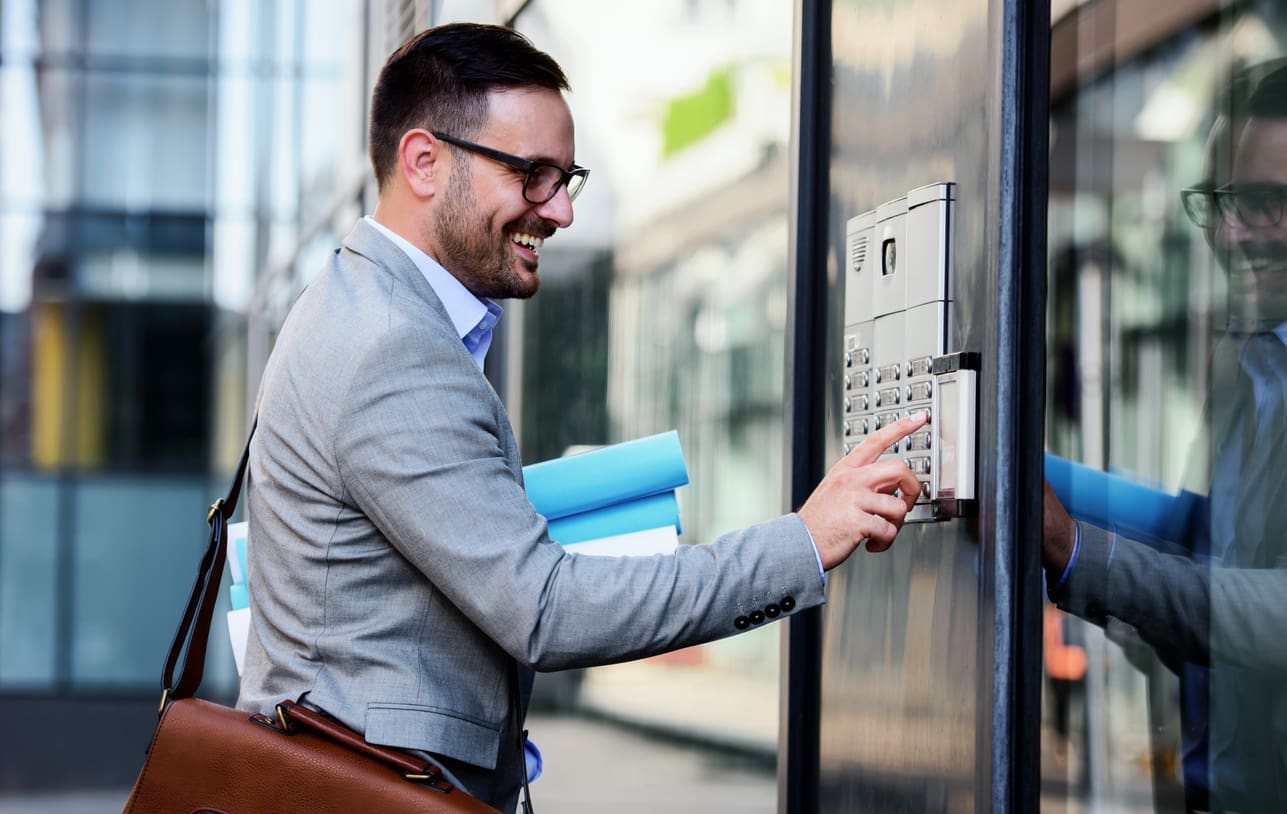
An access control system is a security solution designed to regulate who can enter or exit a property, building, or specific area within a facility. It relies on a combination of hardware, such as card readers, keypads, biometric scanners, and electronic locks, along with software that manages access permissions.
The primary purpose of an access control system is to enhance security, reduce unauthorized entry, and maintain a detailed record of access events for monitoring and reporting purposes. Unlike traditional locks, access control systems provide flexibility, accountability, and real-time control over who can enter sensitive areas.
Types of Access Control Systems
Access control systems come in various forms, each suited to specific security needs:
- Card-Based Systems: Users gain entry using ID cards or key fobs. These systems are widely used in offices and multi-unit residential buildings.
- Biometric Systems: Fingerprint, facial recognition, or iris scans ensure that only authorized individuals can gain access.
- Keypad Systems: Access is granted through personal identification numbers (PINs). These systems are cost-effective and simple to implement.
- Mobile and Cloud-Based Systems: Modern systems allow remote management, mobile credentials, and integration with other security solutions for enhanced control and monitoring.
Common Security Risks in Properties
Before exploring how access control systems prevent risks, it’s essential to understand the most common security threats faced by property owners.
Unauthorized Access
Unauthorized access is one of the most prevalent security risks. This occurs when someone gains entry to a property or restricted area without permission. Unauthorized access can lead to theft, property damage, or exposure of sensitive information.
Theft and Burglary
The risk of theft is not limited to residential properties; commercial properties face significant threats as well. Burglars often exploit weak entry points, unsecured doors, or lost keys to gain access.
Insider Threats
Employees or residents with legitimate access may misuse their privileges. Insider threats can include theft, data breaches, sabotage, or sharing access credentials with unauthorized individuals.
Tailgating and Piggybacking
Tailgating occurs when an unauthorized person follows an authorized individual through a secure entrance. Piggybacking is similar but often involves someone gaining intentional or unintentional assistance to enter a restricted area.
Vandalism and Property Damage
Unauthorized individuals may cause intentional damage to property, equipment, or infrastructure. These acts not only result in financial losses but also disrupt normal operations and compromise safety.
Cybersecurity Threats
Modern access control systems are often integrated with networked systems, making them susceptible to hacking or data breaches if not properly secured. Cyber threats can compromise access credentials, surveillance footage, and sensitive information.
How Access Control Systems Prevent Security Risks?
Access control systems are specifically designed to address the security threats outlined above. By combining technology and strategic planning, they offer proactive and reactive solutions.
Preventing Unauthorized Access
Access control systems restrict entry to authorized individuals only. Biometric authentication, card readers, and PINs prevent unverified people from entering sensitive areas. In addition, permissions can be customized for specific times, locations, and user roles, ensuring only the right individuals gain access when needed.
Reducing Theft and Burglary
By controlling entry points, access control systems limit opportunities for theft and burglary. Entry logs provide a record of who accessed each area, helping identify suspects in case of incidents. Integration with alarm systems and CCTV cameras further enhances security.
Mitigating Insider Threats
Modern access control systems allow administrators to set permissions and monitor access activity for employees or residents. Suspicious behavior, such as repeated unauthorized access attempts, can trigger alerts for investigation. This accountability reduces the risk of misuse by insiders.
Preventing Tailgating and Piggybacking
Advanced systems can detect tailgating attempts through door sensors, turnstiles, or biometric verification. Some systems alert security personnel in real-time when multiple individuals attempt to enter on a single credential.
Protecting Against Vandalism
By restricting access to specific areas, property owners can prevent unauthorized individuals from causing intentional damage. Surveillance integration with access control provides visual evidence, helping to deter vandalism and identify perpetrators.
Enhancing Cybersecurity
Networked access control systems use encryption, secure communication protocols, and regular software updates to minimize cybersecurity risks. Multi-factor authentication ensures that access credentials cannot be easily compromised.
Benefits of Access Control Systems Beyond Security
While preventing security risks is the primary goal, access control systems offer additional advantages for property owners.
Improved Operational Efficiency
Access control systems streamline entry management, eliminating the need for physical keys and manual supervision. Automated logging and reporting simplify monitoring and record-keeping.
Customizable Access Permissions
Property managers can customize access for employees, residents, or visitors based on roles, schedules, and specific areas. Temporary access can be granted to contractors or service providers without compromising security.
Real-Time Monitoring and Alerts
Modern systems provide real-time monitoring of entry points, alerting administrators to unauthorized access attempts or unusual activity. This proactive approach allows immediate response and minimizes potential damage.
Integration with Other Security Systems
Access control can be integrated with CCTV cameras, alarm systems, and building management software, creating a comprehensive security ecosystem that improves situational awareness and response capabilities.
Increased Property Value and Trust
Investing in access control systems demonstrates a commitment to safety and security, enhancing property value and building trust with tenants, employees, or visitors.
Also Read: How to Choose the Best Local Locksmith Near Me?
Implementing Access Control Systems
Assessment and Planning
Before installation, a thorough assessment of the property’s security needs is essential. This includes identifying entry points, high-risk areas, user roles, and potential vulnerabilities.
Choosing the Right System
Selecting the appropriate system involves considering factors such as property size, user volume, security requirements, and budget. Wired, wireless, biometric, and mobile-access systems each have unique advantages depending on the context.
Installation and Configuration
Professional installation ensures proper setup of hardware, software, and network integration. Configuration involves setting access levels, permissions, user credentials, and alert protocols.
Training and Maintenance
Users and administrators should be trained on operating the system effectively, understanding alerts, and following best practices for security. Regular maintenance, software updates, and periodic audits ensure the system remains effective.
Case Studies: Access Control in Action
Residential Property
In a multi-unit apartment complex, access control systems prevent unauthorized visitors from entering common areas such as gyms, parking garages, and rooftop decks. Video intercoms and card-based entry enhance resident safety while simplifying property management.
Commercial Office Building
In an office building, access control systems restrict entry to secure areas such as server rooms, executive offices, and storage facilities. Real-time monitoring detects unauthorized attempts and helps protect sensitive corporate information.
Industrial Facility
Factories and warehouses face risks of theft, sabotage, and workplace accidents. Access control systems regulate who can enter production floors, storage areas, and hazardous zones, ensuring both security and compliance with safety regulations.
Common Challenges and Solutions
System Malfunctions
Technical issues may arise due to hardware failure, software glitches, or network interruptions. Regular maintenance, updates, and professional support minimize downtime.
User Error
Users may forget credentials, share access codes, or misuse the system. Proper training and multi-factor authentication reduce these risks.
Cybersecurity Threats
Networked systems are vulnerable to hacking if security measures are insufficient. Encryption, secure passwords, regular updates, and monitoring help mitigate these risks.
Budget Constraints
Access control systems can be costly, especially for large properties. Careful planning, phased implementation, and choosing scalable systems ensure cost-effective security without compromising protection.
Conclusion
At Alpha Locksmith & Security, we understand that property security goes beyond simple locks and keys. Access control systems are essential for preventing unauthorized access, theft, insider threats, tailgating, vandalism, and cybersecurity risks.
By investing in a professionally installed and maintained system, property owners can improve operational efficiency, enhance accountability, and provide peace of mind for residents, employees, and visitors.
Implementing access control solutions ensures that your property is secure, monitored, and protected against modern threats, making it a vital part of any comprehensive security strategy.