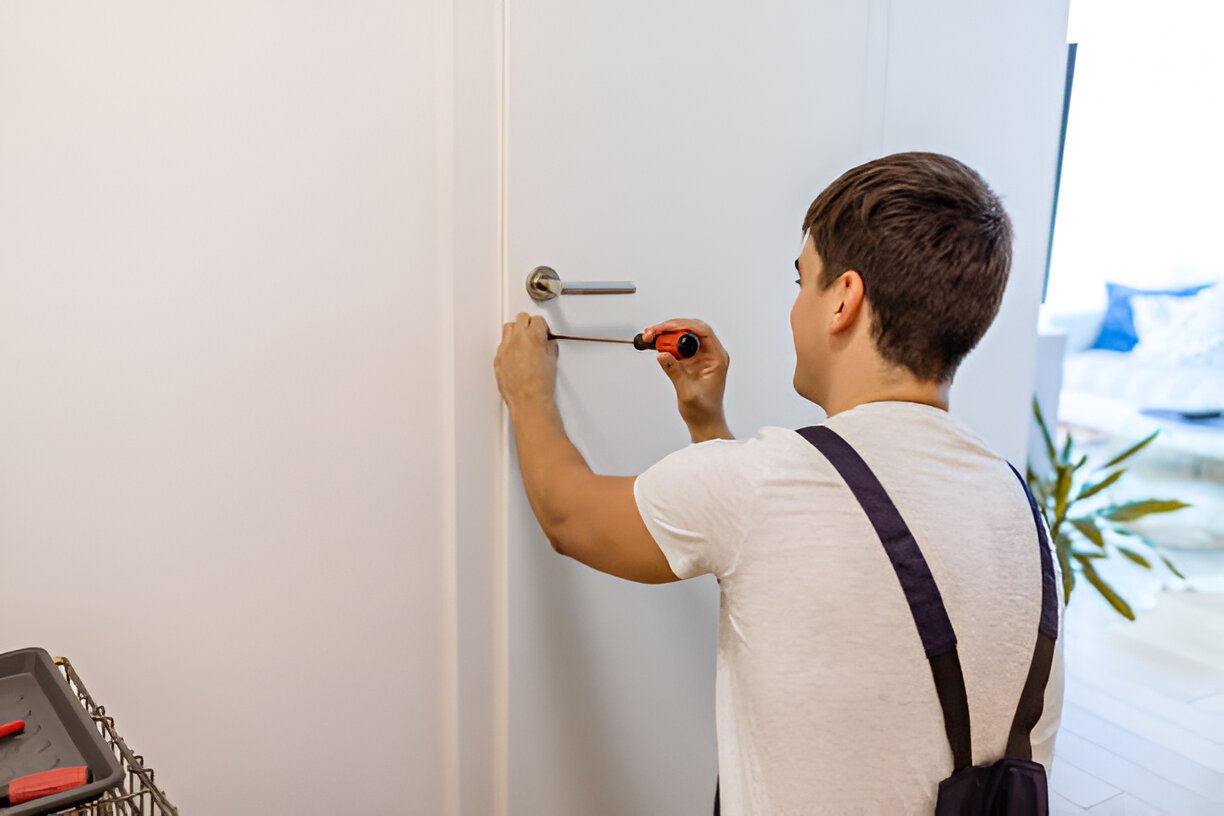
Security is a top priority for every homeowner and business owner. At Alpha Locksmith & Security, we understand that protecting your property goes beyond just having locks—it’s about ensuring they are effective, reliable, and suited to your needs. Two common services provided by locksmiths are lock rekeying and lock replacement. While both solutions aim to improve security, they differ in purpose, process, cost, and long-term impact. Understanding the difference between lock rekeying and lock replacement can help you make the right decision for your property and ensure that your home or business remains safe.
Understanding Lock Rekeying
What is Lock Rekeying?
Lock rekeying is a process where a locksmith changes the internal components of an existing lock so that it works with a new key. Essentially, the lock remains physically the same, but the old keys no longer function with it. This is a popular option for property owners who want to prevent old keys from working without the expense of a full lock replacement.
Lock rekeying is particularly useful in situations such as moving into a new home or office where previous tenants or employees may still have copies of the keys. It’s also a smart choice when keys are lost, stolen, or duplicated without your permission.
How Lock Rekeying Works
During the rekeying process, a locksmith will remove the lock cylinder, replace the pins inside with new ones that correspond to a new key, and then reassemble the lock. This effectively renders the old key useless while allowing the owner to maintain the same lock hardware.
The procedure is relatively quick and often completed within 30 to 60 minutes for standard residential locks. Advanced commercial locks may take longer due to their complexity.
Advantages of Lock Rekeying
Lock rekeying offers several benefits, making it an appealing option for many property owners. Some key advantages include:
- Cost-effectiveness, as it is typically cheaper than replacing the entire lock.
- Convenience, because the existing lock hardware is reused.
- Enhanced security, as old keys can no longer open the lock.
However, it’s important to note that rekeying cannot fix locks that are damaged, worn out, or outdated. If the lock itself is compromised, replacement may be the better option.
Understanding Lock Replacement
What is Lock Replacement?
Lock replacement involves removing the existing lock entirely and installing a brand-new lock. Unlike rekeying, this process replaces the lock hardware itself, not just the internal pins. Lock replacement is often necessary when the lock is broken, outdated, or incompatible with modern security requirements.
This option is ideal for upgrading to high-security locks, installing electronic or smart locks, or addressing locks that have been severely damaged.
How Lock Replacement Works
During a lock replacement, the locksmith removes the existing lock and installs a new one that may include different hardware, design, or functionality. Depending on the type of lock, this process may involve drilling, fitting a new cylinder, or adjusting the door frame to accommodate the new lock.
Lock replacement can take longer than rekeying, especially if it involves high-end security systems or multiple locks in a commercial property.
Advantages of Lock Replacement
Lock replacement has distinct advantages, particularly in situations where the existing lock is compromised. These benefits include:
- Improved security through modern lock technology.
- Complete elimination of old hardware, which may have vulnerabilities.
- The ability to upgrade to specialized locks, including keyless or electronic access.
While lock replacement is more expensive and time-consuming than rekeying, it provides a long-term solution, especially for high-security needs or severely worn locks.
Also Read: How a Locksmith Can Help You During a Home Lockout?
Key Differences Between Lock Rekeying and Lock Replacement
Understanding the differences between these two options can help property owners make informed decisions. The main differences include the following:
Cost Differences
Rekeying a lock is generally much cheaper than replacing it because the locksmith only needs to change the pins inside the cylinder, not the entire lock. Lock replacement requires purchasing new hardware, which increases costs.
Time and Effort
Lock rekeying is a quicker and less labor-intensive process, making it ideal for emergencies or situations where multiple locks need to be secured quickly. Lock replacement takes longer due to the installation of new hardware and potential modifications to the door.
Security Considerations
While rekeying restores security by invalidating old keys, it does not address potential vulnerabilities in worn or low-quality locks. Lock replacement provides enhanced security, particularly when installing modern, high-security locks or electronic access systems.
Suitability for Different Situations
- Lock rekeying is best for new homeowners, tenants who want to prevent unauthorized access, or when keys are lost.
- Lock replacement is better for damaged, outdated, or low-security locks, or for those seeking modernized locking systems.
Longevity
Rekeyed locks retain the original hardware, so their lifespan depends on the quality of the existing lock. Replacement locks, being brand new, offer a longer-lasting solution and are often backed by manufacturer warranties.
When to Choose Lock Rekeying?
Moving Into a New Home or Apartment
One of the most common scenarios for lock rekeying is moving into a new property. Even if the property seems secure, previous tenants or real estate personnel may have copies of the keys. Rekeying ensures that only you and authorized individuals have access.
Lost or Stolen Keys
If a key is lost or stolen, rekeying is a cost-effective way to maintain security without replacing the entire lock. It prevents unauthorized access while keeping existing hardware intact.
Cost-Conscious Security Upgrades
For property owners seeking security improvements on a budget, rekeying offers an affordable solution that can be done quickly and effectively.
When to Choose Lock Replacement?
Damaged or Worn-Out Locks
Locks that are broken, rusted, or malfunctioning may require replacement rather than rekeying. Damaged locks may not function properly even after rekeying, compromising security.
Upgrading to High-Security Locks
For homes or businesses in high-risk areas, replacing old locks with high-security options can offer superior protection. Smart locks, keyless entry systems, and reinforced deadbolts provide advanced security features not available in older models.
Commercial or Specialized Security Needs
Businesses often require advanced access control, master key systems, or electronic locking solutions. Lock replacement allows the installation of specialized hardware that meets these requirements.
The Process Comparison: Rekeying vs Replacement
Step-by-Step Rekeying Process
A professional locksmith typically follows these steps for rekeying:
- Assess the lock type and determine feasibility.
- Remove the lock cylinder.
- Replace the pins inside to match a new key.
- Test the new key and ensure the lock functions smoothly.
Step-by-Step Replacement Process
Lock replacement is more involved and includes:
- Evaluating the existing lock and door.
- Removing the old lock hardware.
- Installing the new lock, including the cylinder, latch, and hardware.
- Testing and adjusting the lock to ensure proper alignment.
Both processes require professional expertise to ensure the lock functions correctly and maintains security.
Cost Analysis
Average Costs for Lock Rekeying
Lock rekeying is generally affordable, ranging from $20 to $50 per lock for residential properties. Commercial locks or high-security locks may cost more due to complexity.
Average Costs for Lock Replacement
Lock replacement can range from $50 to $300 or more per lock, depending on the type of lock and security features. High-end electronic or smart locks may exceed $500 per lock.
Long-Term Value
While rekeying saves money upfront, replacement locks may provide longer-term security and reduce the need for frequent maintenance or repairs.
Maintenance Considerations
Rekeyed Locks
After rekeying, regular maintenance involves lubricating the lock and ensuring the new key functions smoothly. These locks retain the original hardware, which may still wear over time.
Replaced Locks
Replacement locks are brand new and may require less frequent maintenance initially. Many modern locks come with warranties and advanced durability features, reducing long-term concerns.
Security Implications
Risks of Rekeying Old Locks
Rekeying only addresses the key issue. If the lock hardware itself is weak, corroded, or outdated, rekeying may not provide optimal security.
Advantages of Lock Replacement
Replacing the lock allows homeowners and businesses to upgrade to more secure systems, including reinforced materials, advanced keyways, or digital access controls, significantly improving protection against break-ins.
Environmental and Aesthetic Considerations
Rekeying for Minimal Changes
Rekeying keeps the appearance of your locks unchanged, maintaining the aesthetic of your doors and hardware. This is ideal for historic homes or apartments with matching fixtures.
Replacement for Modernization
Lock replacement can enhance both security and appearance. New locks can match modern door hardware, complement interior design, and provide a fresh look to older properties.
DIY vs Professional Services
Why Professional Locksmiths Are Essential?
Both lock rekeying and replacement require precision and expertise. Attempting these tasks without proper tools or knowledge may result in damaged locks, poor security, or voided warranties. Professional locksmiths ensure the job is done correctly, efficiently, and safely.
Tools and Technology
Professional locksmiths have specialized tools and access to quality materials, making them the best choice for both residential and commercial properties. Advanced rekeying kits, pinning tools, and electronic lock programming require training and experience.
Conclusion
Understanding the difference between lock rekeying and lock replacement is essential for protecting your property. Rekeying is cost-effective, fast, and ideal for lost keys or new tenants, while replacement provides upgraded security, durability, and modern functionality. At Alpha Locksmith & Security, we offer expert guidance to help homeowners and businesses choose the right solution for their unique needs.
Whether it’s rekeying old locks, installing high-security systems, or upgrading to smart locks, professional locksmith services ensure your property remains secure and accessible only to authorized individuals. Investing in expert solutions from Alpha Locksmith & Security guarantees peace of mind and reliable protection, customized to your home or business security needs. By choosing the right service, you can ensure long-lasting security, convenience, and confidence in your property’s safety.